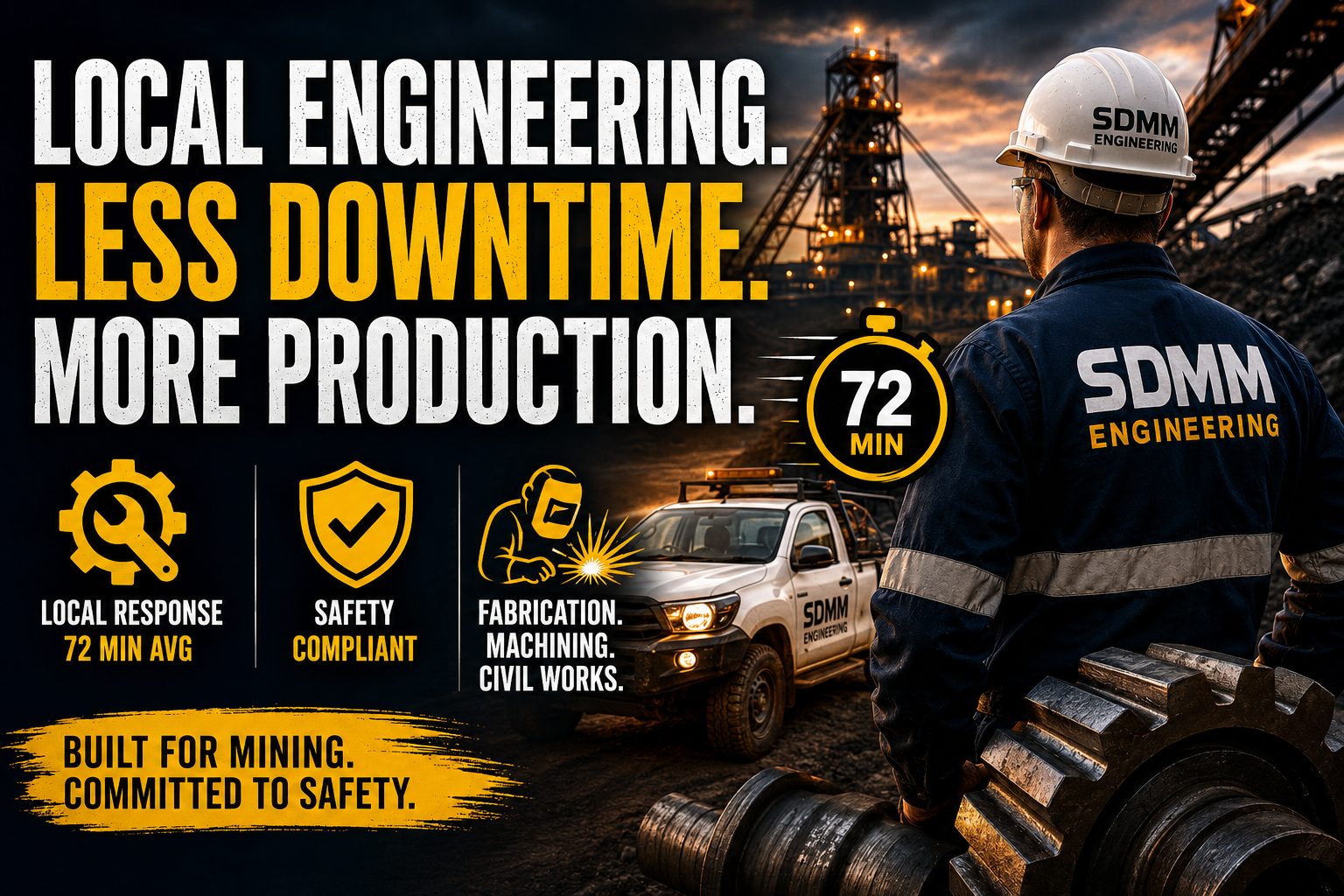
Every hour of unplanned downtime on a Mpumalanga mining operation costs upwards of R2 million. Yet many mine site managers still rely on engineering contractors based 150km away in Gauteng — adding days of logistical delay to every critical repair. Here’s why having a consolidated, local engineering partner changes the equation entirely.
The True Cost of Logistical Delays in Mining Operations
When a conveyor gearbox fails at 2am on a coal operation near Emalahleni, the clock starts ticking immediately. A contractor mobilising from Johannesburg faces a 2-hour drive minimum — assuming personnel and equipment are available. Factor in safety inductions, tool inspections, and SHEQ compliance checks, and you’re looking at 6–8 hours before a spanner even touches the machine. A local team based in Evander cuts that response window to under 90 minutes, with personnel who already hold valid site inductions for operations across the Highveld coalfields.
“In 2024 alone, we responded to 47 emergency call-outs across Secunda, Evander, and Emalahleni operations — with an average mobilisation time of 72 minutes from first call to boots on ground.” — SDMM Engineering Operations Log
One Vendor for Fabrication, Machining, and Structural Steel
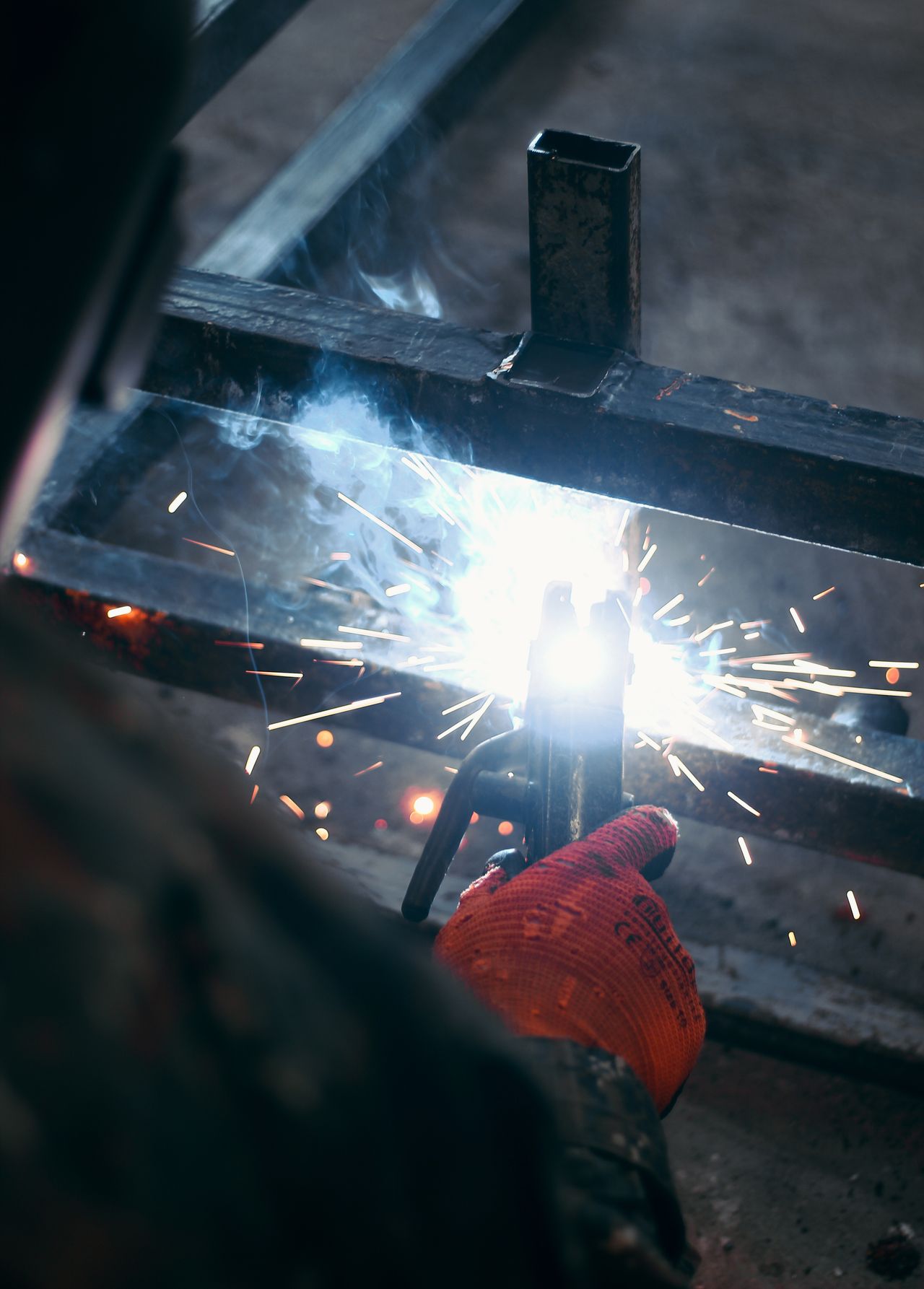
The fragmented contractor model — one company for welding, another for CNC machining, a third for structural fabrication — creates coordination nightmares on active mine sites. Each vendor brings separate safety files, different quality management systems, and competing schedules. SDMM Engineering consolidates these disciplines under one roof with a fully equipped fabrication workshop, precision machining capabilities up to 2-metre turning diameter, and coded welders qualified to ASME IX and AWS D1.1 standards. This means one purchase order, one safety file, one point of accountability.
Heavy Civil Works Built for Mining Environments
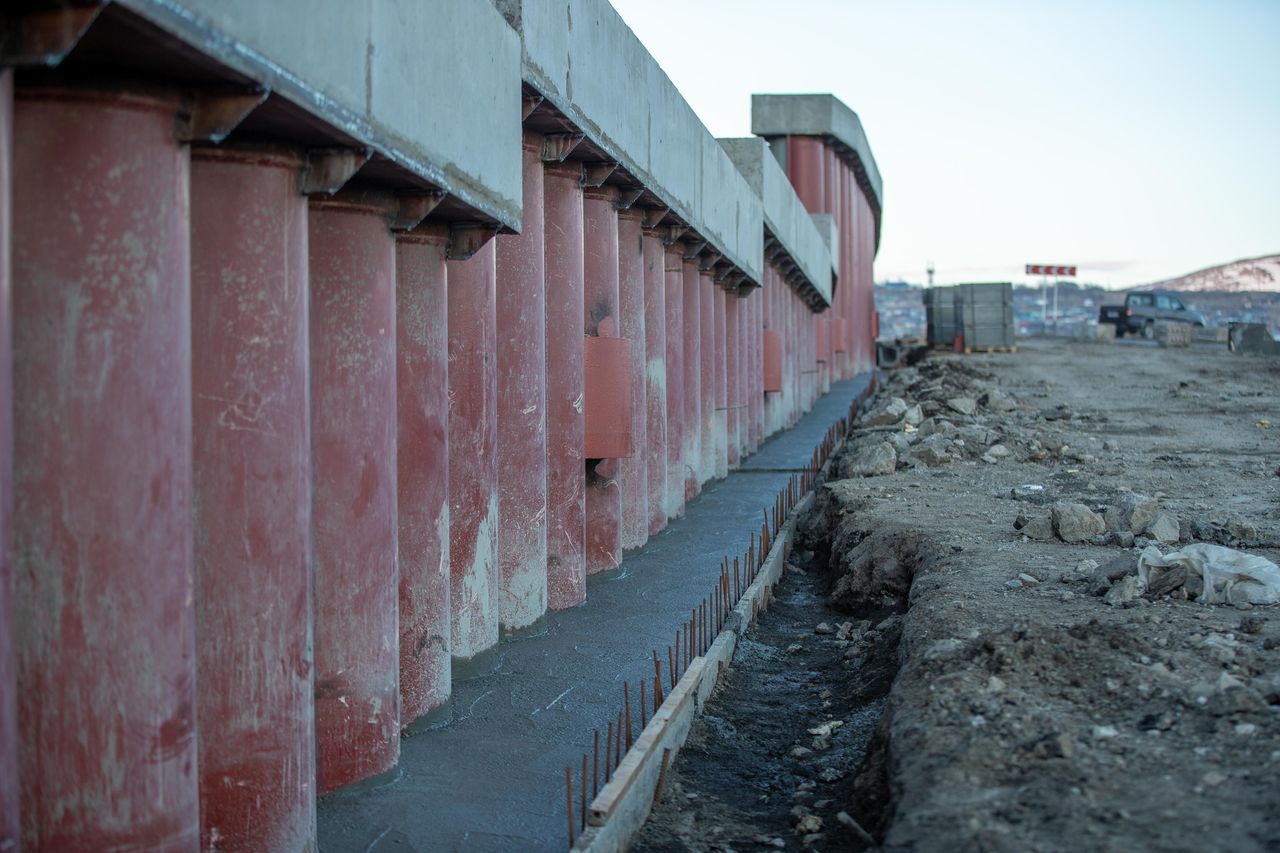
Mining civil works aren’t the same as commercial construction. Foundations for headgear, crusher stations, and ROM pad walls demand engineering teams who understand blast vibration tolerances, acid mine drainage considerations, and the specific geotechnical challenges of Mpumalanga’s dolomitic geology. SDMM’s civil division handles reinforced concrete structures, industrial fencing systems, bulk earthworks, and perimeter security infrastructure — all executed with the documentation and quality assurance that mining houses require for operational sign-off.
Safety Compliance Is Non-Negotiable — Choose a Contractor Who Leads With It
Section 21 and Section 22 appointments under the Mine Health and Safety Act carry real legal weight. Contractors who treat SHEQ as an afterthought put your operation — and your personal liability as the appointed manager — at risk. SDMM Engineering maintains a zero-harm safety culture with active SAMTRAC-qualified safety officers, daily risk assessments, and full compliance with MHSA regulations. Our safety file is audit-ready at all times, and our personnel undergo annual medical surveillance and competency verification as standard.
The Bottom Line: Proximity + Capability = Reduced Downtime
For mine site managers across the Mpumalanga Highveld, the equation is simple. A local engineering partner with cross-discipline capability eliminates logistics delays, reduces vendor coordination complexity, and delivers work to the safety standards your operation demands. SDMM Engineering has been serving mining and heavy industrial clients from our Evander base for over two decades — we understand the pressure you’re under because we operate in the same environment, every day.